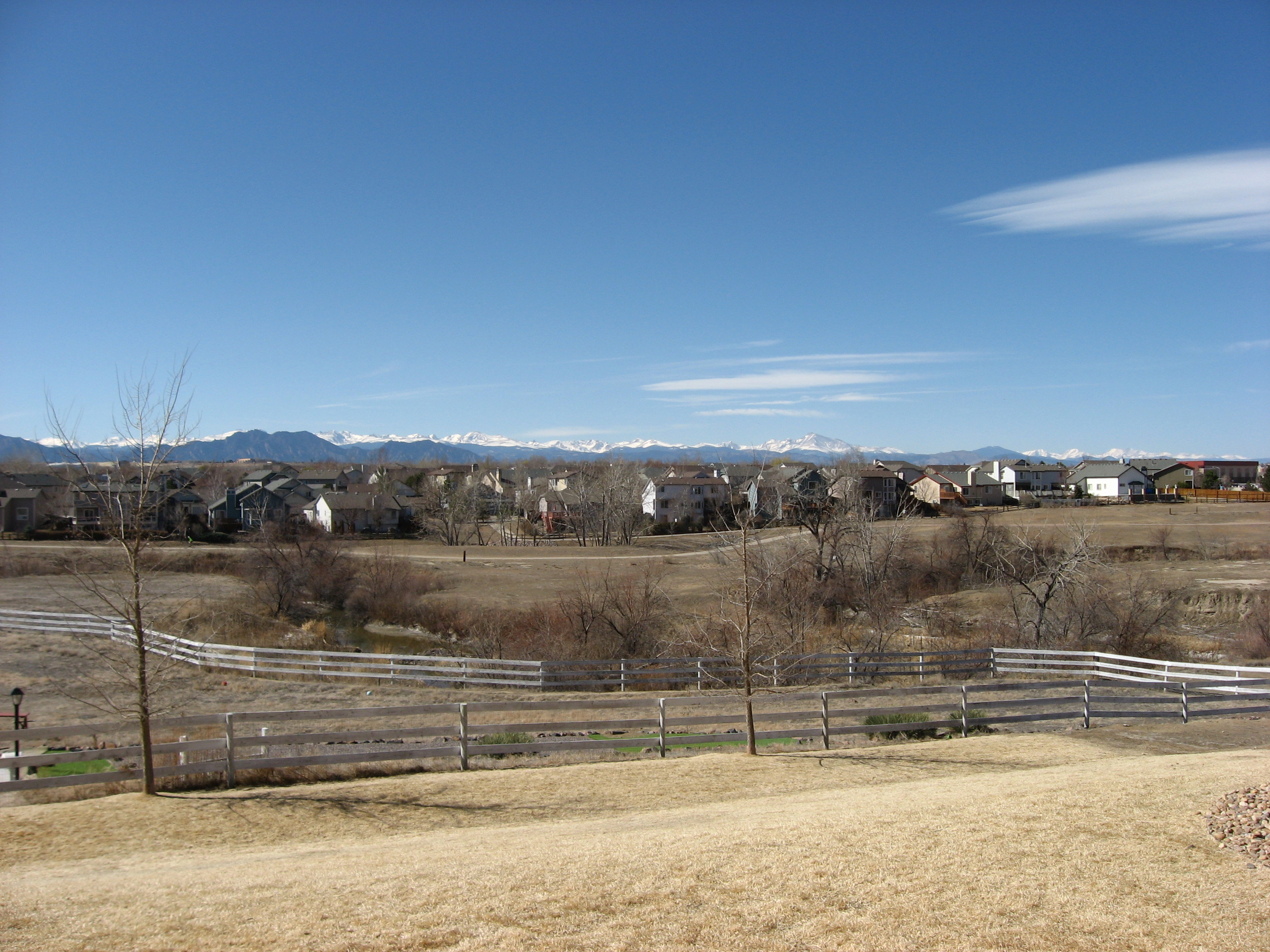
Radon is different from many inspection issues because a home can look perfectly maintained and still have an elevated indoor concentration. That is why Colorado treats radon as a specific residential real-estate disclosure issue rather than leaving it entirely to a generic inspection conversation.
Colorado requires radon information in residential transactions
Colorado law requires residential sales contracts to contain a radon warning and requires disclosure of the seller's known radon information, including whether testing has been performed, available recent reports, detected concentrations, mitigation or remediation, and whether a mitigation system has been installed. Buyers also receive the state's current radon brochure.
A prior test does not answer every future question
A seller may have older test results or an existing mitigation system. Buyers should review what was tested, when it was tested and whether a mitigation system has follow-up documentation. Depending on the property and advice from the testing professional, the buyer may still choose to obtain a new test during the inspection period.
Elevated radon is often a solvable condition
An elevated result does not automatically mean the home should be rejected. Radon mitigation systems are common and can substantially reduce indoor concentrations when properly designed and installed. Buyers can evaluate the result, proposed mitigation, contractor cost and any retesting requirement as part of the inspection negotiation.
Sellers should preserve records
If a property has been tested or mitigated, keeping the test reports, installer information and follow-up results makes future disclosure much easier. The obligation is to provide the known information, not to make a buyer guess whether the pipe and fan in the basement were installed for radon or something else.
For Colorado buyers, the practical approach is straightforward: read the disclosure, review prior records, decide whether to test, and address any elevated result before the contract's inspection rights expire.
Sources: Colorado Revised Statutes § 38-35.7-112; Colorado Division of Real Estate SB23-206 guidance; Colorado Real Estate Commission 2026 residential forms. This is general real-estate information, not legal or environmental-health advice.
Related resources
What Should a Colorado Buyer Negotiate After the Home Inspection?
How to Plan a Denver Metro Home Purchase Beyond the List Price
Use this in your property review
For the next layer, review buyer representation, Denver Metro area guides, current market context and Title Commitments in Colorado: What Buyers Should Actually Review.