Jurisdiction
Confirm who governs the parcel
Check the municipality or county, assessor record, zoning, tax and service districts, utilities, and permitting authority.
Denver Metro & Colorado area guides
Eric's primary real-estate focus is Denver Metro and the west/foothills corridor. Start there for representation and local strategy, then use the broader Front Range guides when relocation or comparison calls for a wider view.
Area names are an orientation point. Material facts must be verified for the exact property.
Primary service area
These are the communities most closely aligned with Eric's primary Denver-area positioning. The complete library below remains available for broader Front Range research and relocation comparisons.
A Morrison mailing address can describe very different properties. Confirm the jurisdiction first, then compare the home's setting, services, access, rules, and ownership demands.
Explore the guide → Denver & Inner MetroDenver is not one housing market. It is more than 150 years of neighborhoods built in distinct eras, from the historic core and streetcar neighborhoods to postwar expansion, late-suburban growth and modern infill.
Explore the guide → West Metro & FoothillsLakewood is a large, mature west-metro city whose housing is dominated by postwar suburbia but stretches from central ranch neighborhoods to Belmar redevelopment, Applewood, Green Mountain and foothills-oriented areas.
Explore the guide → West Metro & FoothillsGolden is a compact historic foothills city surrounded by a much larger Golden-address market that stretches into substantially different mountain and rural properties.
Explore the guide → South Metro & DouglasA Littleton mailing address does not always mean a property is inside the City of Littleton. Confirm the boundary, then evaluate the home, services, mobility, and ownership costs.
Explore the guide → West Metro & FoothillsArvada combines a genuine historic town center, a large postwar suburban middle and newer western neighborhoods that push toward the foothills.
Explore the guide → South Metro & DouglasHighlands Ranch is one of Colorado's defining master-planned communities, a 22,000-acre unincorporated Douglas County community founded in 1981 with highly developed parks, trails and recreation infrastructure.
Explore the guide → South Metro & DouglasCentennial is a new municipality made mostly of much older established neighborhoods, so its 2001 incorporation date should never be mistaken for the age of its housing.
Explore the guide →Regional overviews
Use these two regional guides when the decision is still about the larger Denver-area tradeoffs. The 40 community guides below are better once the search has narrowed to a specific city or town.
Compare jurisdictions, property types, ownership costs, mobility, condition, and risk across the broader metro before narrowing the search.
Open the Denver Metro overview → West metro & foothillsCompare the home, site, access, utilities, wildfire context, insurance, water, roads, and jurisdiction as the landscape moves west.
Open the west & foothills overview →Complete research library
Use the full library when a move extends beyond the primary Denver Metro service area or when you are comparing different parts of the Front Range.
40 guides shown
Regional group
3 community guides
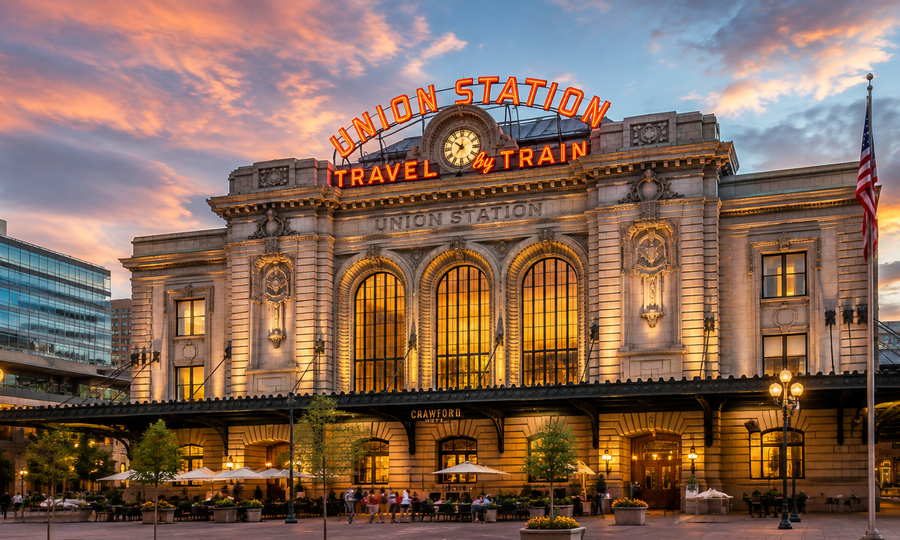
Denver is not one housing market. It is more than 150 years of neighborhoods built in distinct eras, from the historic core and streetcar neighborhoods to postwar expansion, late-suburban growth and modern infill.
Explore the guide →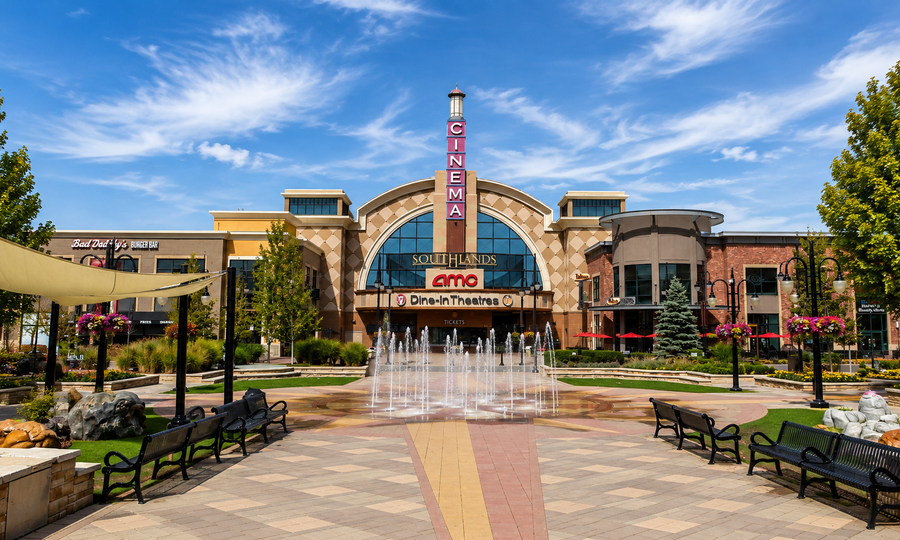
Aurora is several housing markets inside one enormous city, from early and postwar neighborhoods near Denver to mature southeast suburbia and large newer communities stretching east toward E-470.
Explore the guide →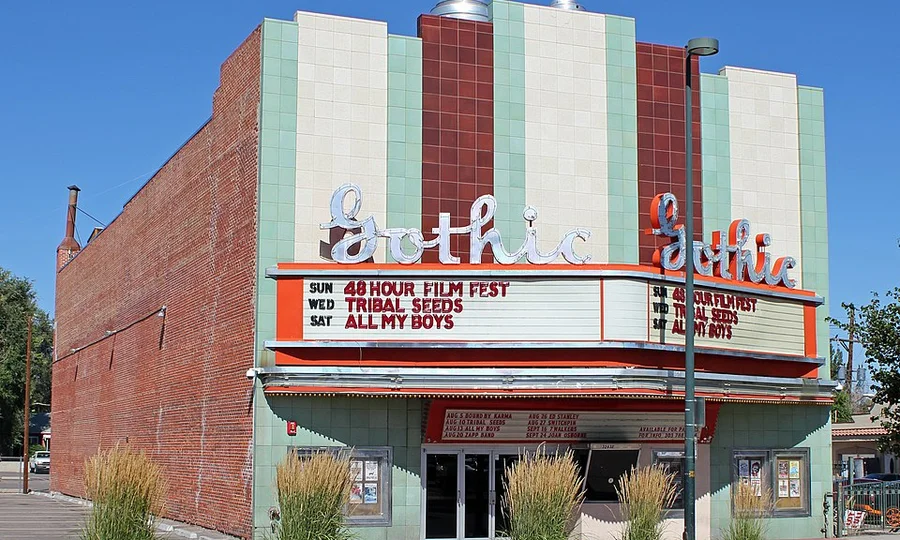
Englewood is a compact first-ring city with predominantly older housing, a genuine South Broadway downtown, major healthcare employment and two light-rail stations, while the Englewood mailing area extends far beyond the city.
Explore the guide →Regional group
5 community guides
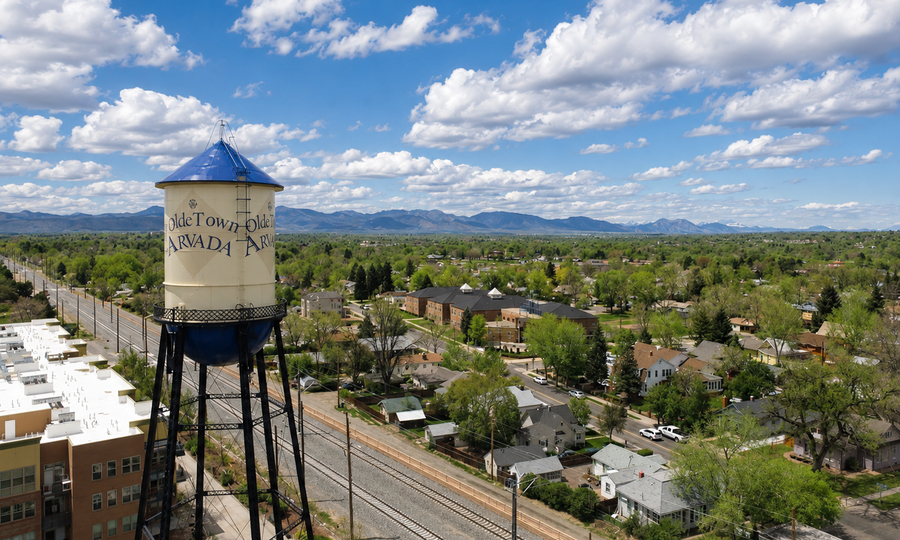
Arvada combines a genuine historic town center, a large postwar suburban middle and newer western neighborhoods that push toward the foothills.
Explore the guide →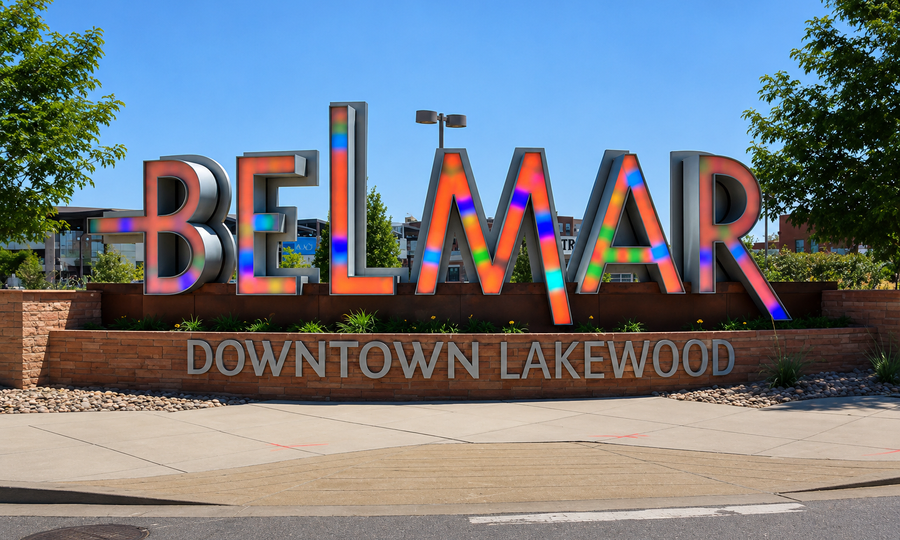
Lakewood is a large, mature west-metro city whose housing is dominated by postwar suburbia but stretches from central ranch neighborhoods to Belmar redevelopment, Applewood, Green Mountain and foothills-oriented areas.
Explore the guide →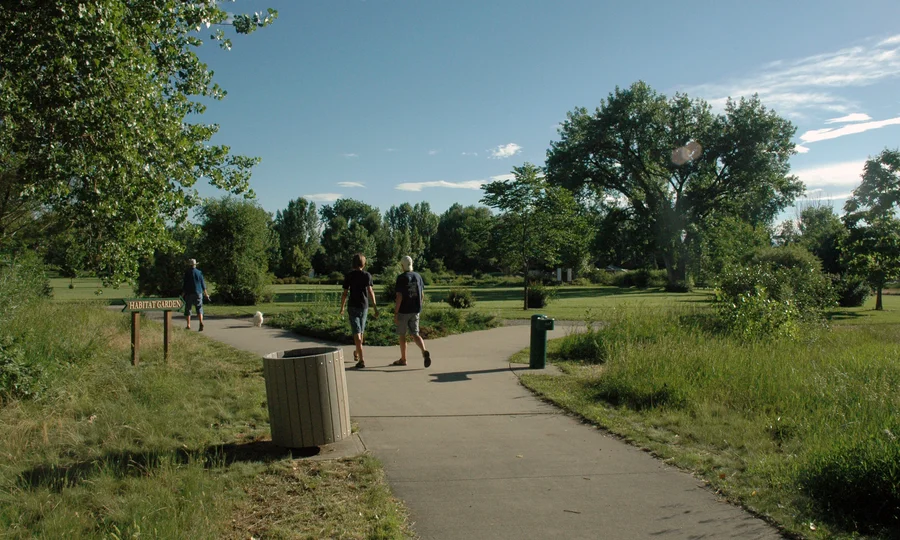
Wheat Ridge is an old agricultural landscape that became suburbia piece by piece, so much of its housing predates the city's 1969 incorporation.
Explore the guide →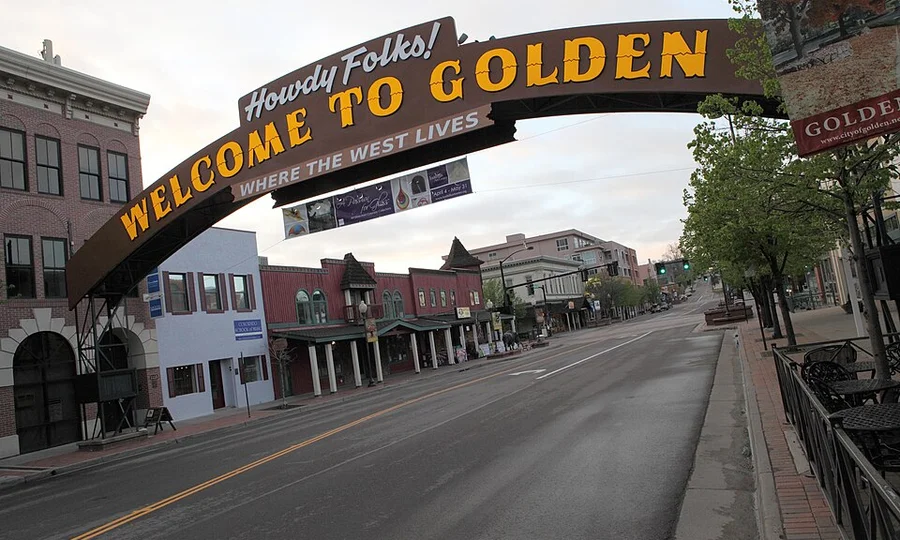
Golden is a compact historic foothills city surrounded by a much larger Golden-address market that stretches into substantially different mountain and rural properties.
Explore the guide →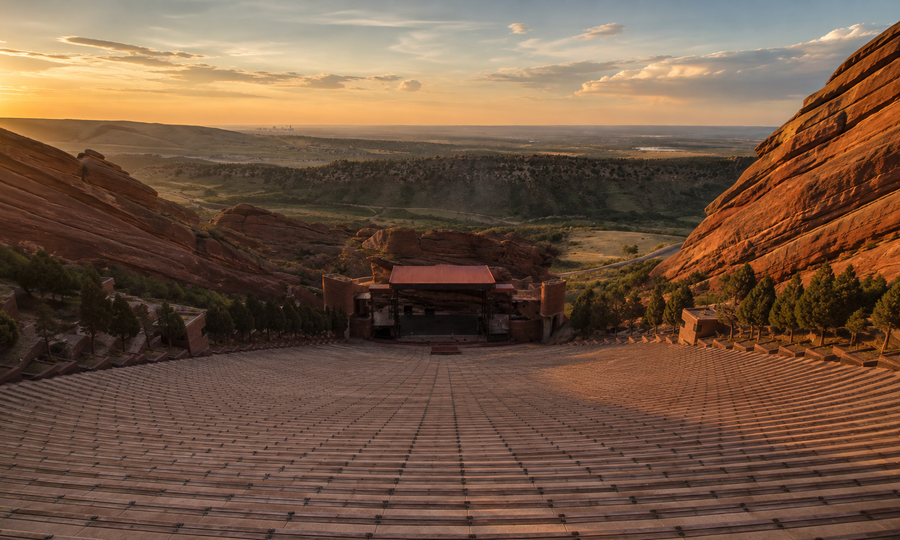
A Morrison mailing address can describe very different properties. Confirm the jurisdiction first, then compare the home's setting, services, access, rules, and ownership demands.
Explore the guide →Regional group
6 community guides
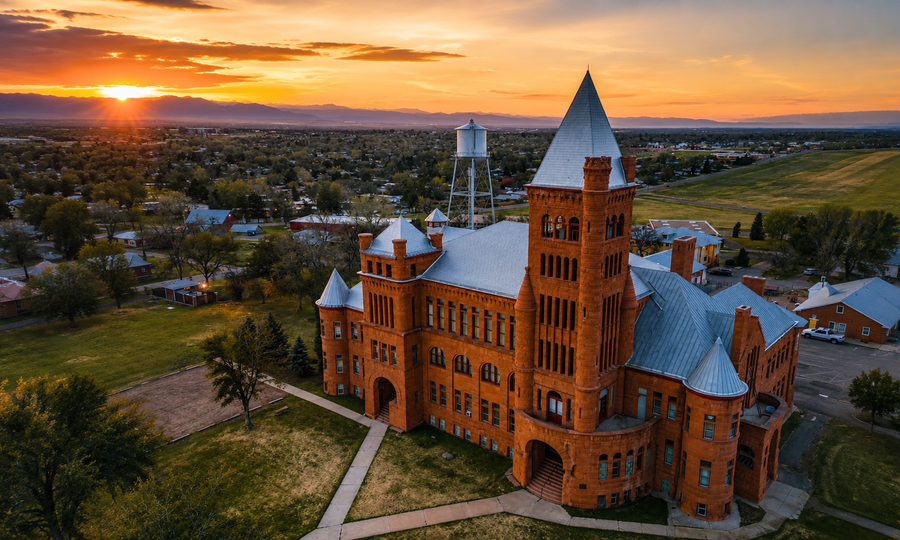
Westminster is a mature northwestern suburb spanning Adams and Jefferson counties, with historic south-side roots, large postwar neighborhoods, Standley Lake communities and major US 36/transit redevelopment.
Explore the guide →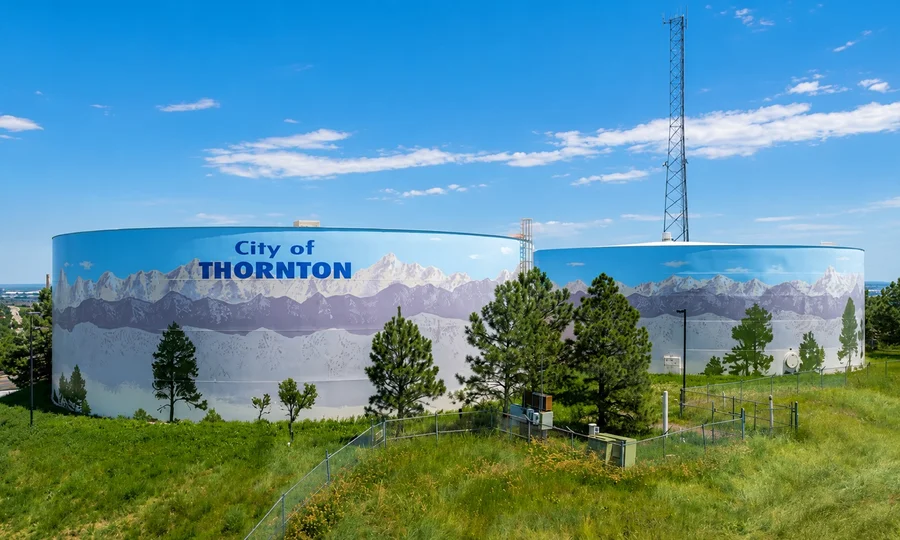
Thornton is a planned postwar city whose housing becomes progressively newer as the city stretches north, from its 1950s original core to large modern subdivisions and continuing growth.
Explore the guide →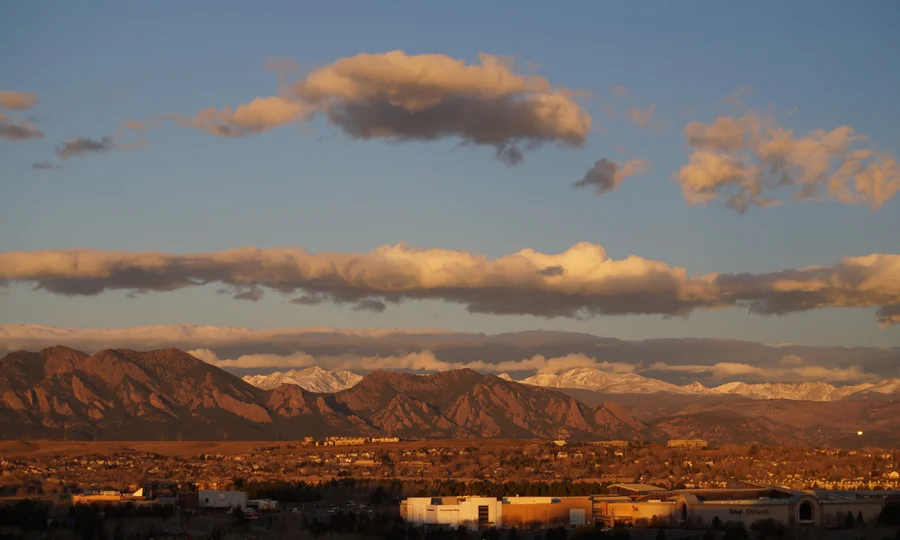
Broomfield is a combined city and county whose housing ranges from 1950s master-planned Broomfield Heights to established Broadlands and Anthem, US 36 mixed-use development and major Baseline growth.
Explore the guide →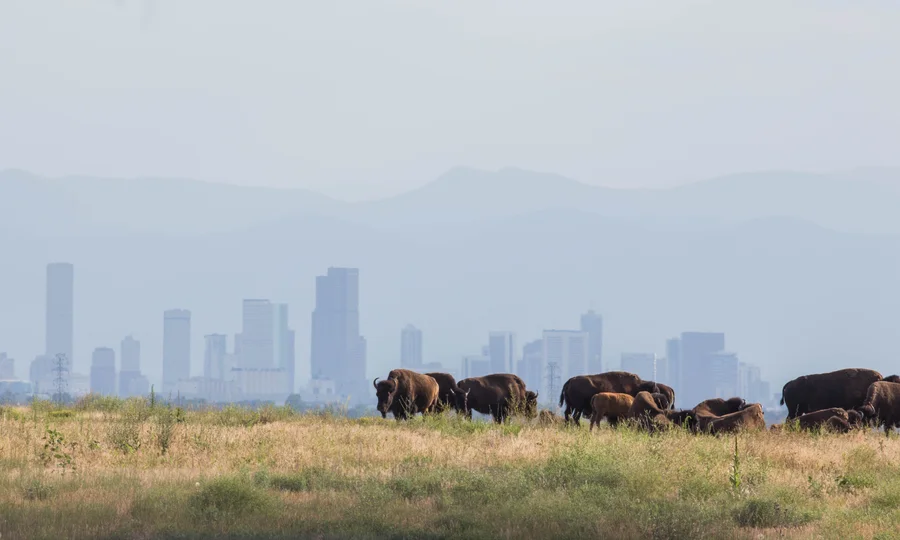
Commerce City contains two major housing environments inside one municipality: historic south Commerce City and the much newer master-planned communities of the north.
Explore the guide →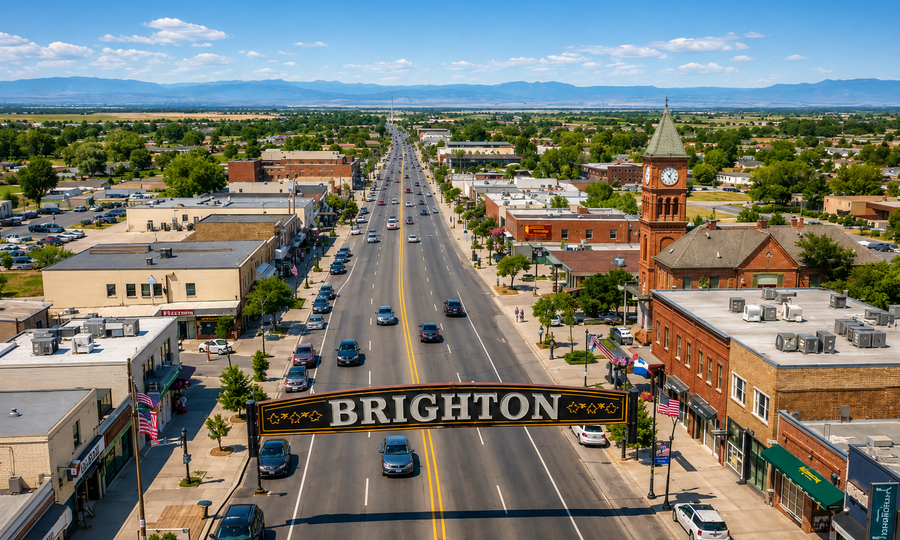
Brighton is an old agricultural and railroad county-seat town surrounded by much newer suburbia, with a broader postal market that also includes rural and acreage property.
Explore the guide →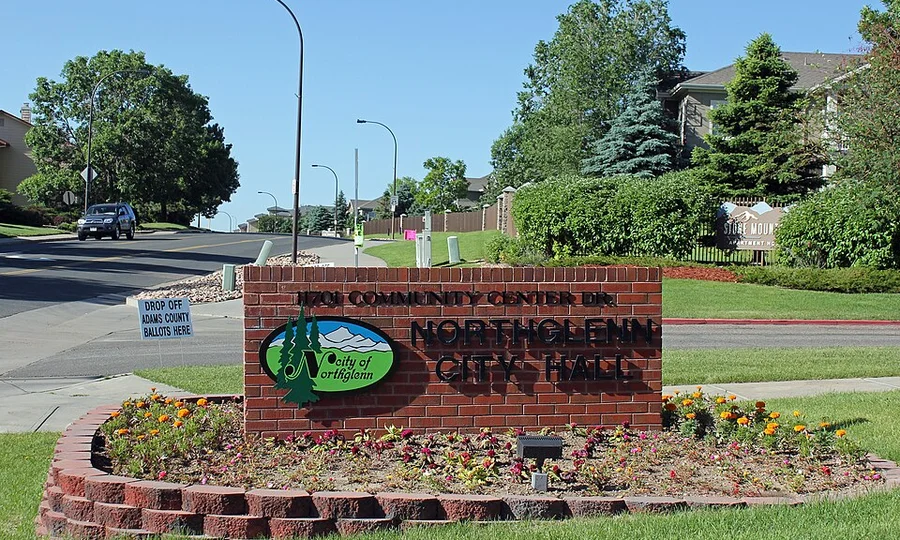
Northglenn is a purpose-built postwar suburb now adapting through renovation, infill, commuter rail and redevelopment rather than large new outward expansion.
Explore the guide →Regional group
8 community guides
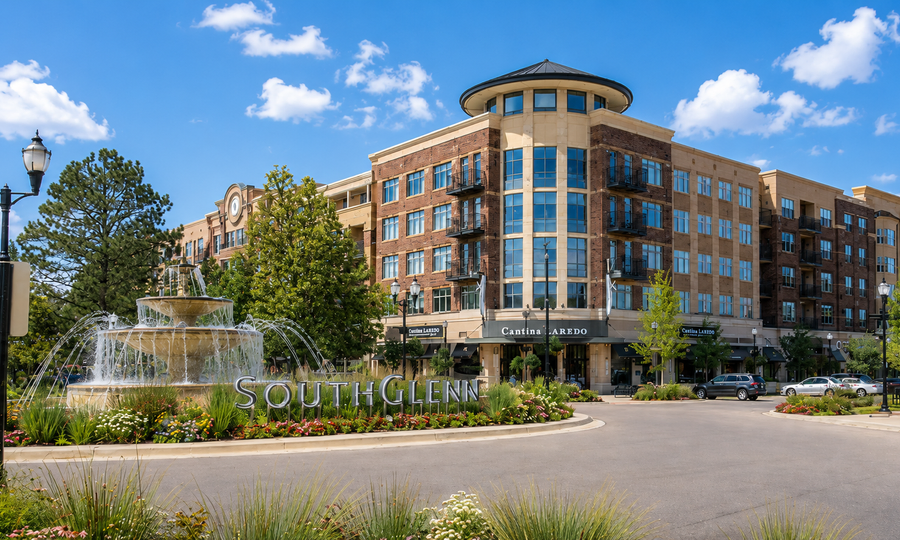
Centennial is a new municipality made mostly of much older established neighborhoods, so its 2001 incorporation date should never be mistaken for the age of its housing.
Explore the guide →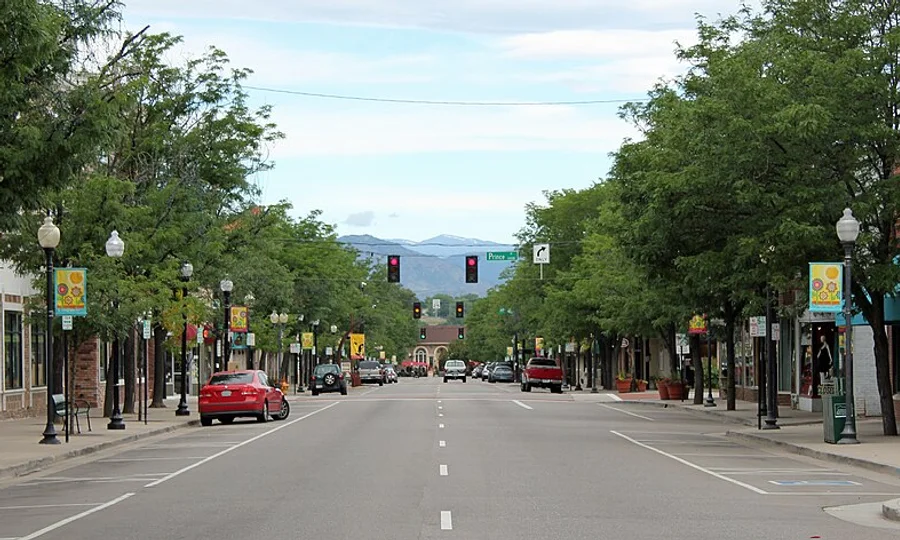
A Littleton mailing address does not always mean a property is inside the City of Littleton. Confirm the boundary, then evaluate the home, services, mobility, and ownership costs.
Explore the guide →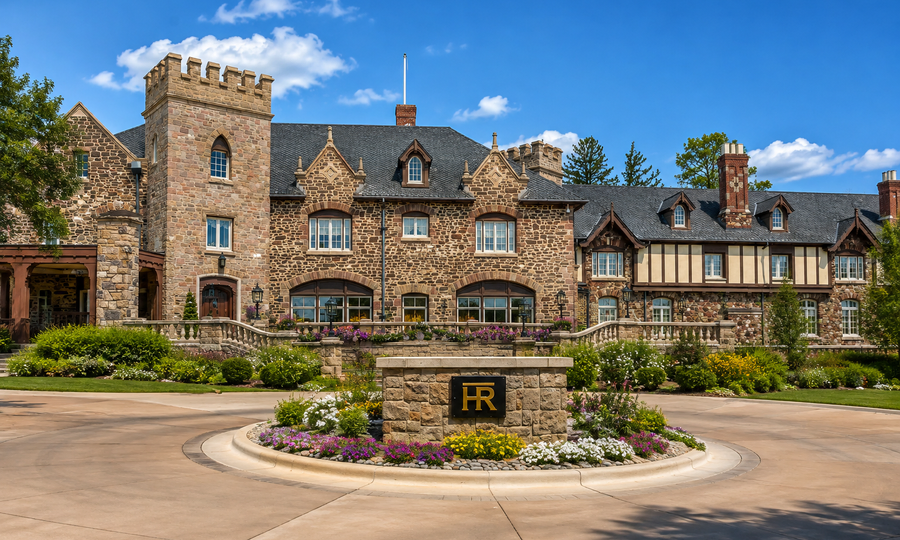
Highlands Ranch is one of Colorado's defining master-planned communities, a 22,000-acre unincorporated Douglas County community founded in 1981 with highly developed parks, trails and recreation infrastructure.
Explore the guide →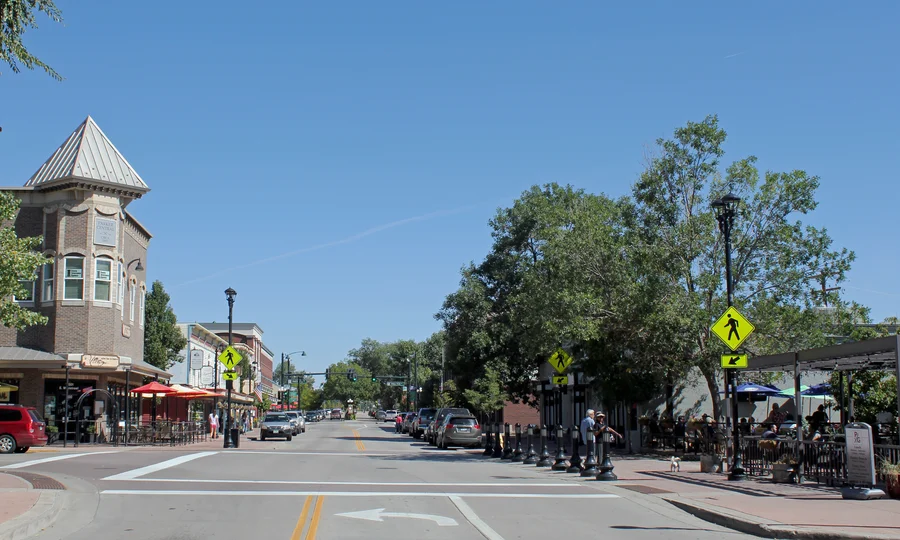
Parker has a genuine historic Mainstreet at the center of a much larger southeast suburban market filled with established master-planned neighborhoods, active new construction and broader Parker-address acreage.
Explore the guide →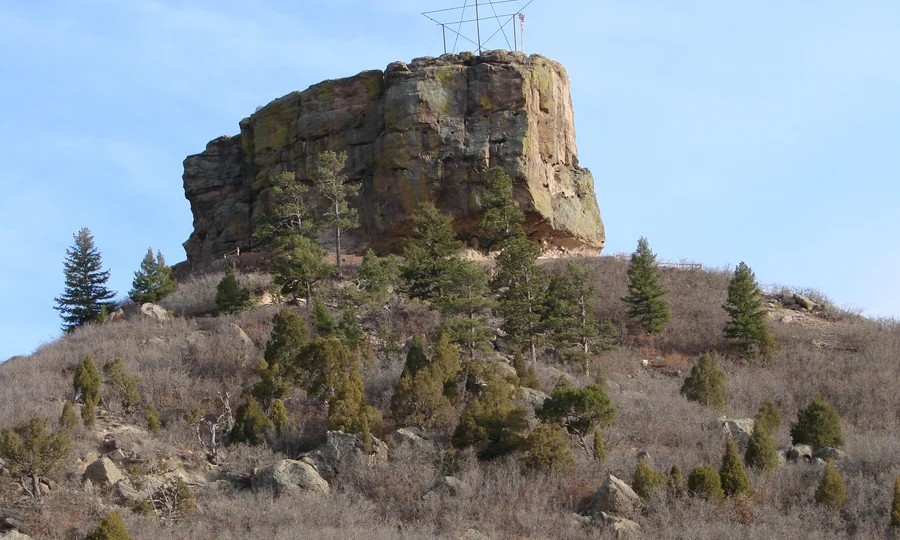
Castle Rock is a historic quarry and railroad town transformed by decades of master-planned development, with major housing differences between the old core, established suburbs, newer growth areas and luxury markets.
Explore the guide →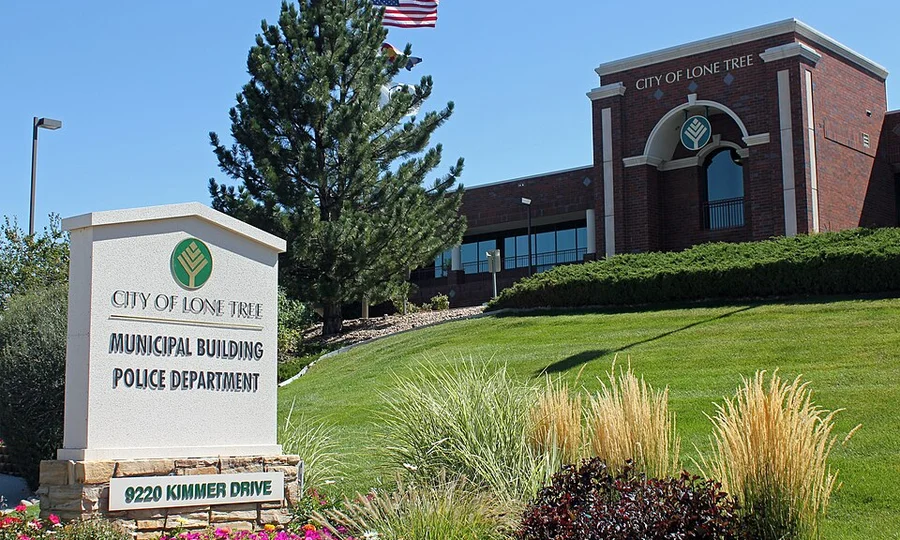
Lone Tree is evolving from a 1980s suburban city into one of South Metro's most ambitious transit-oriented mixed-use communities.
Explore the guide →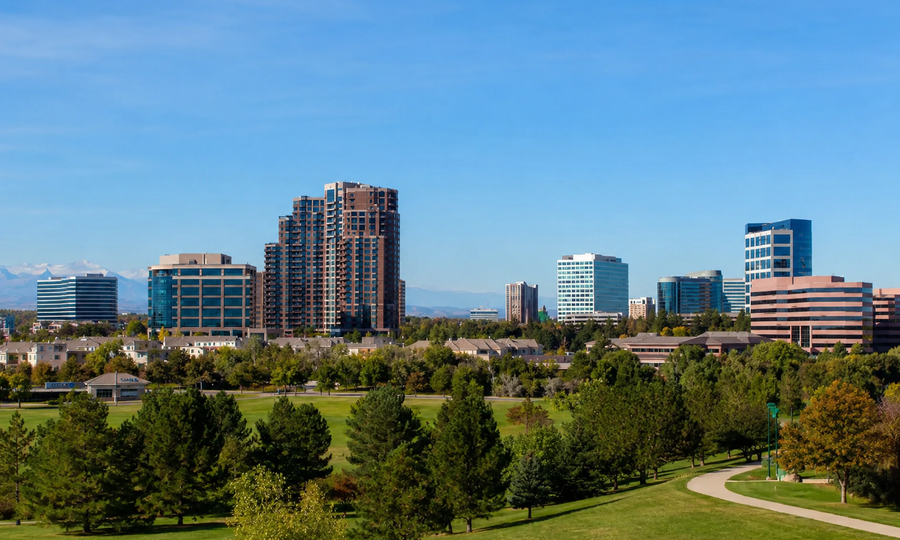
Greenwood Village was incorporated to protect country-style residential land, then expanded around the Denver Tech Center while retaining some of South Metro's lowest-density and highest-priced housing.
Explore the guide →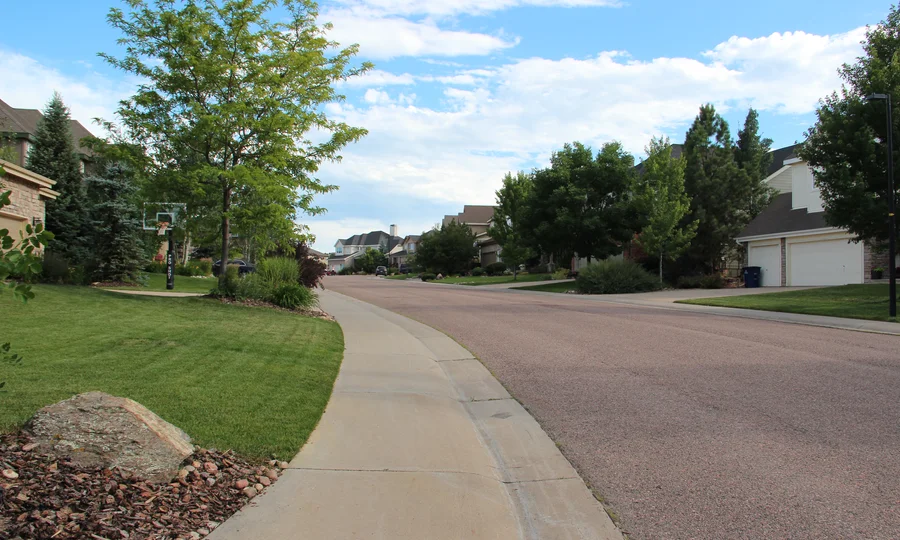
Castle Pines combines established 1980s–2000s golf and open-space suburbia west of I-25 with a second major growth wave now building east of the highway.
Explore the guide →Regional group
6 community guides

Boulder is a deliberately constrained university and outdoor city where open-space policy, limited expansion, floodplain geography and neighborhood era all shape housing economics.
Explore the guide →
Louisville is a historic coal town and mature Boulder County suburb with a significant Marshall Fire rebuild overlay that changes how buyers should evaluate housing age and condition.
Explore the guide →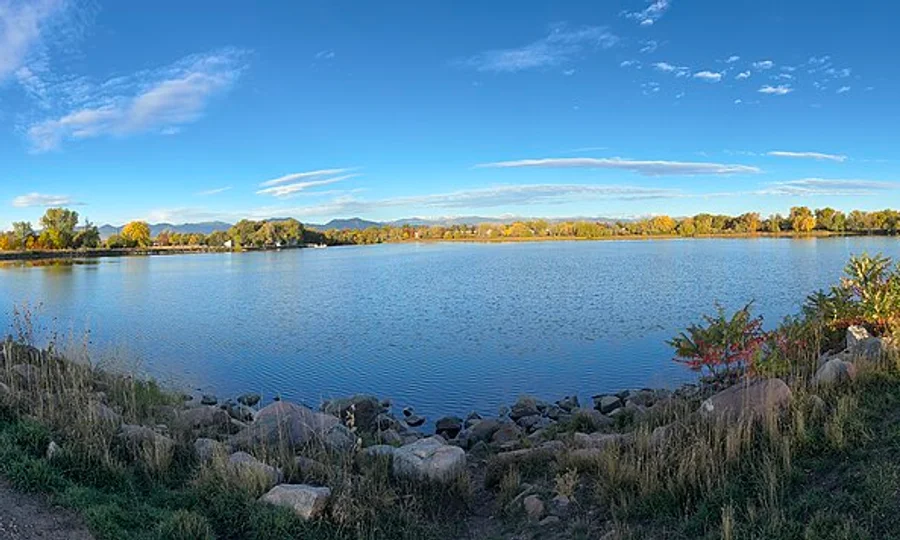
Lafayette is a historic east Boulder County coal town where an older center and multiple modern suburban generations overlap.
Explore the guide →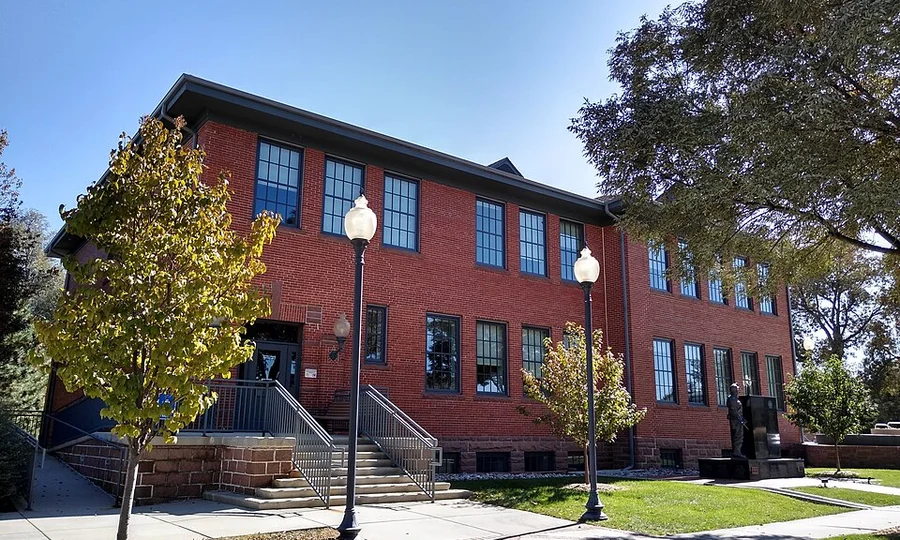
Erie is a 19th-century coal town surrounded by 21st-century master-planned suburbia, with a Boulder/Weld county split and substantial future growth still underway.
Explore the guide →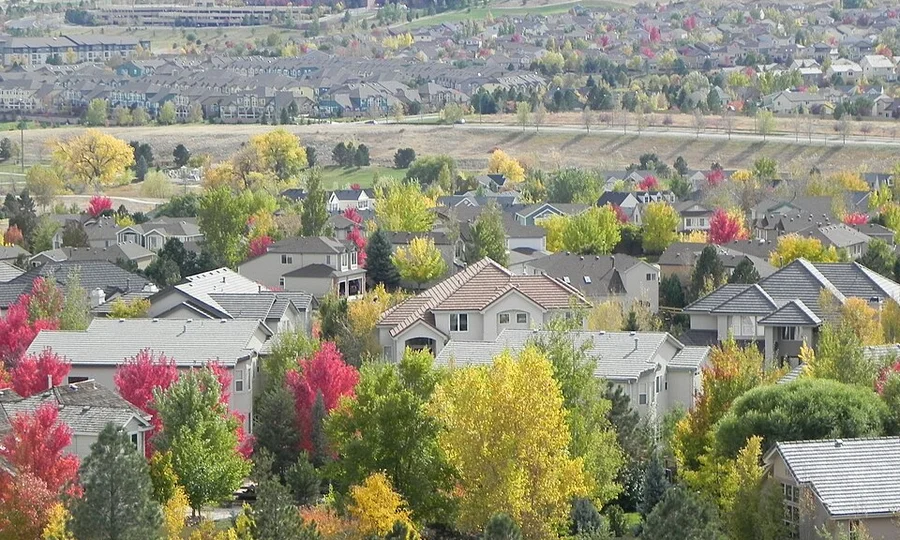
Superior is a historic coal town turned 1990s master-planned suburb, with a major Marshall Fire rebuild overlay creating a newer construction generation inside an otherwise mature community.
Explore the guide →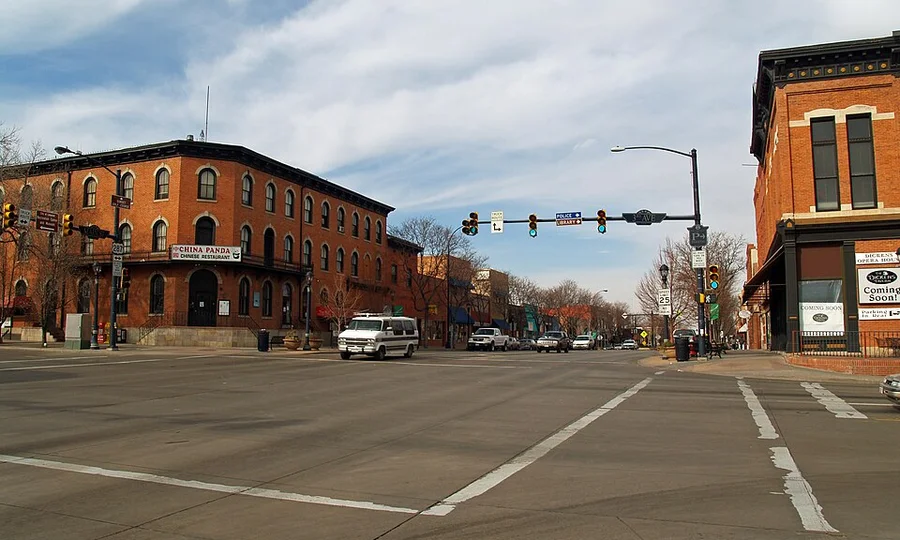
Longmont is a historic agricultural and industrial city that became a major technology center without losing its independent full-service-city identity from Boulder.
Explore the guide →Regional group
4 community guides
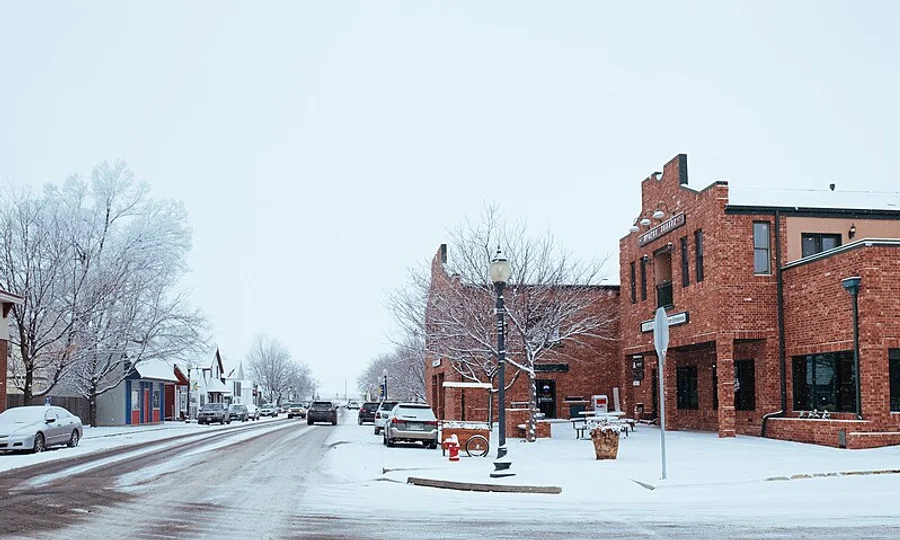
Frederick is a historic Carbon Valley mining town surrounded by newer suburbia, with another major generation of development still building.
Explore the guide →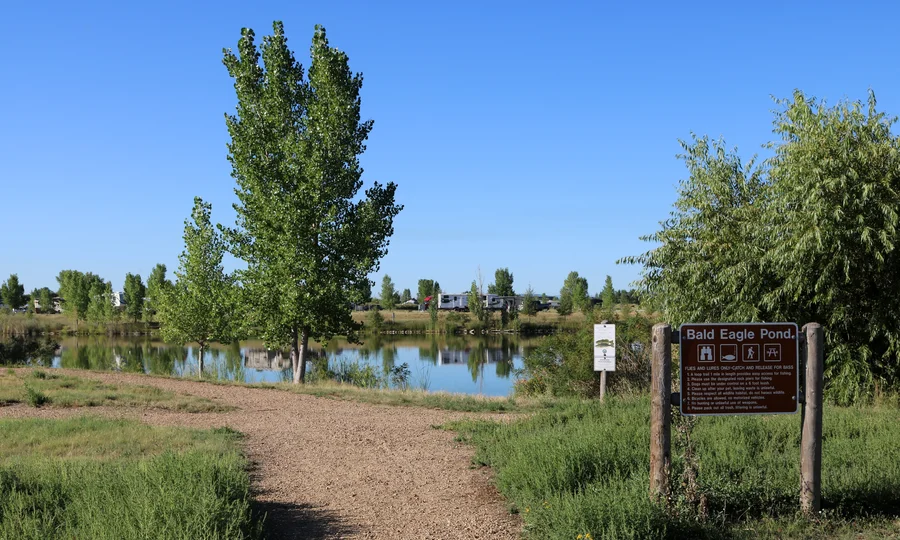
Firestone is a historic Carbon Valley mining town whose modern identity is overwhelmingly suburban, with large established 2000s neighborhoods and another development generation still growing.
Explore the guide →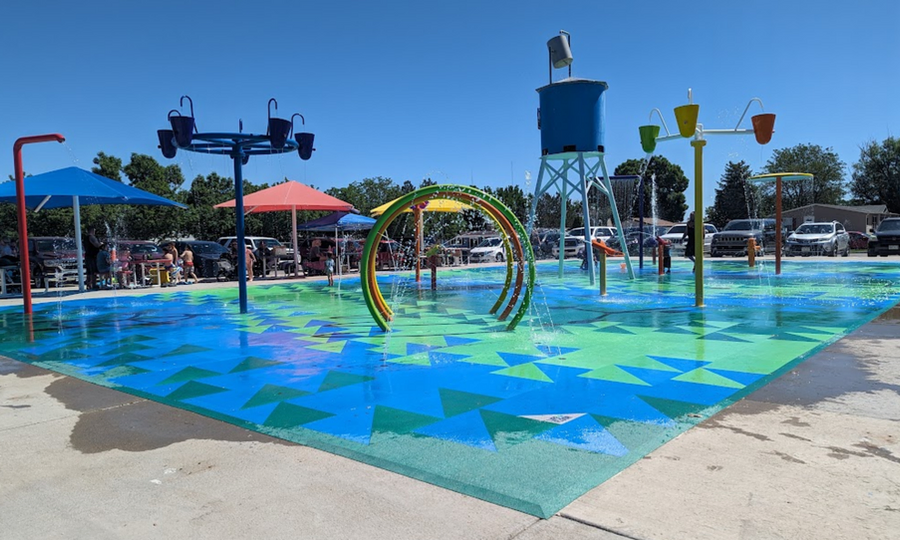
Dacono is a small historic mining city with one of Carbon Valley's widest housing-type mixes, including Old Town, a large manufactured-home component, conventional subdivisions and newer Sweetgrass growth.
Explore the guide →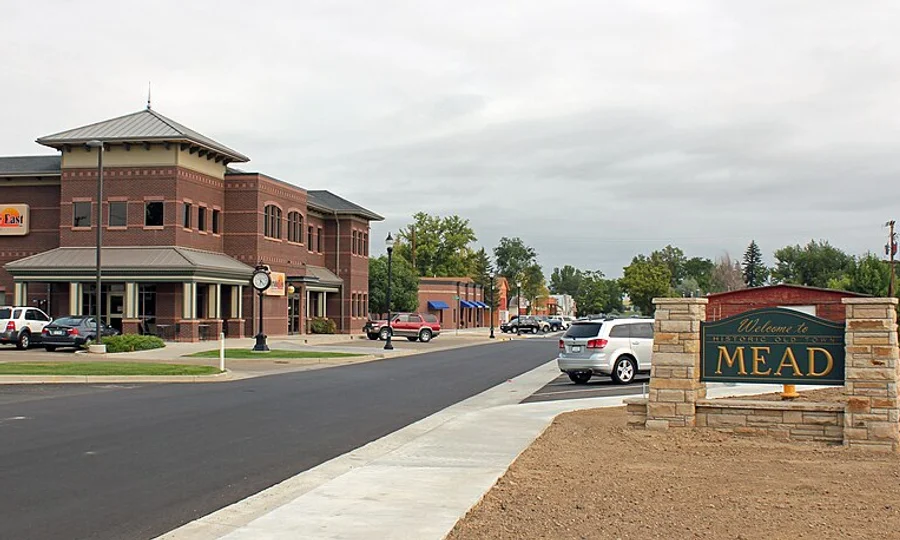
Mead is an agricultural railroad town becoming a lower-density I-25 suburb while retaining more rural Weld County landscape than Frederick, Firestone or Erie.
Explore the guide →Regional group
7 community guides
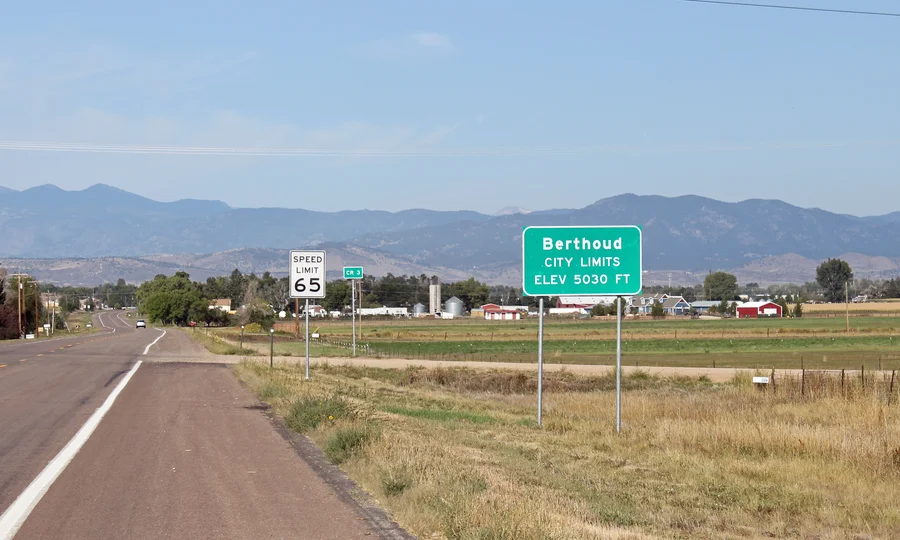
Berthoud is an agricultural railroad town becoming a substantial Northern Colorado suburb, with a traditional historic center, rapid modern growth and a distinct luxury/golf market around TPC Colorado.
Explore the guide →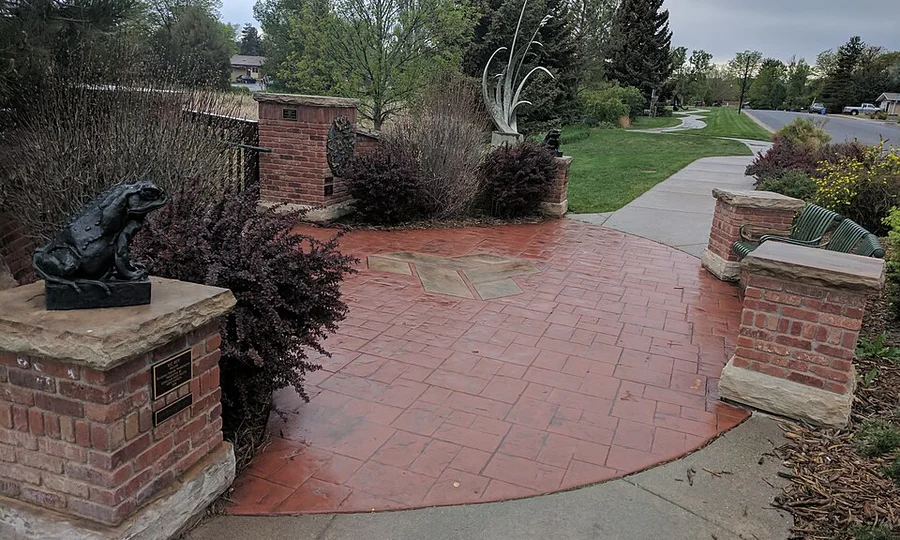
Loveland is a mature Northern Colorado city with historic neighborhoods, extensive postwar housing, a major arts identity, direct foothills access and a newer I-25/Centerra growth district.
Explore the guide →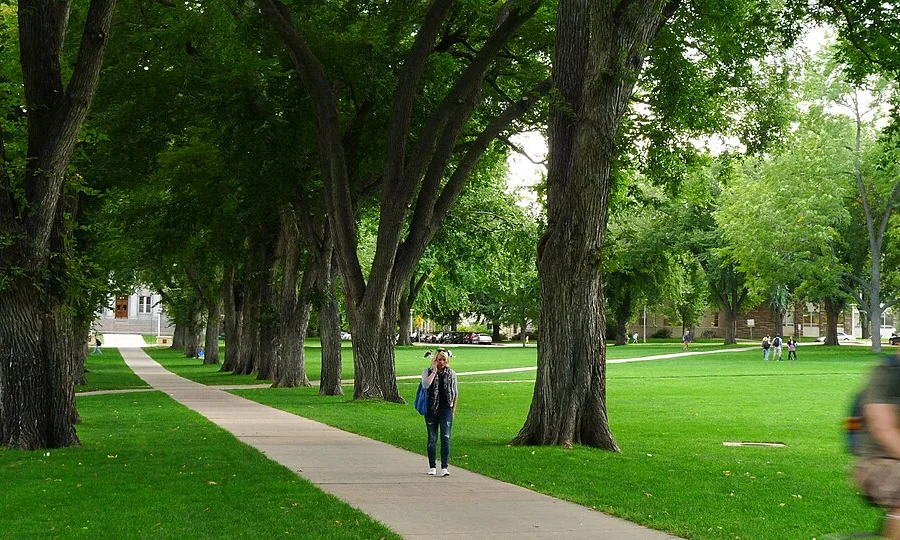
Fort Collins is several generations of city layered together: historic Old Town and CSU, streetcar-era neighborhoods, huge postwar expansion, 1980s–2000s south Fort Collins and a newer growth front shifting northeast.
Explore the guide →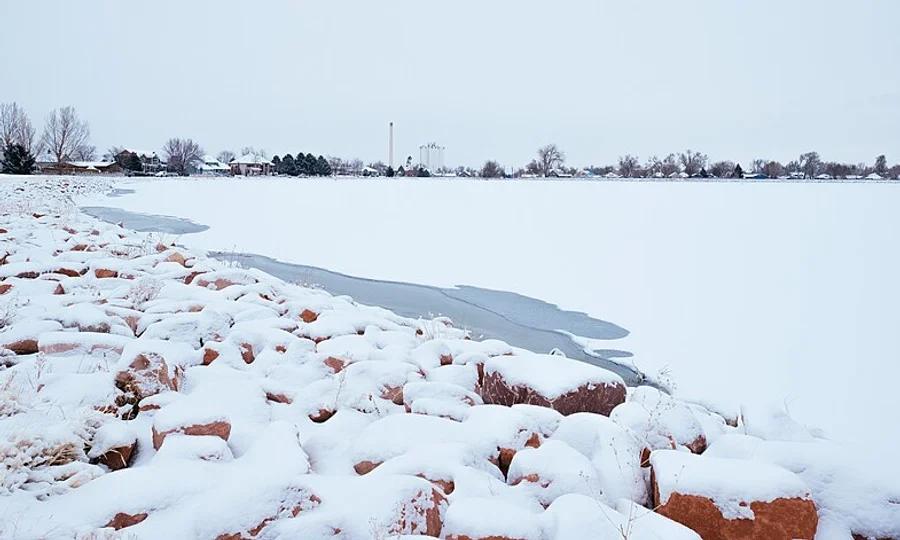
Windsor is an agricultural and sugar-beet railroad town transformed into one of Northern Colorado's major master-planned residential communities, with another enormous growth cycle still underway.
Explore the guide →
Timnath is a 19th-century agricultural railroad village almost completely surrounded by a 21st-century master-planned suburb.
Explore the guide →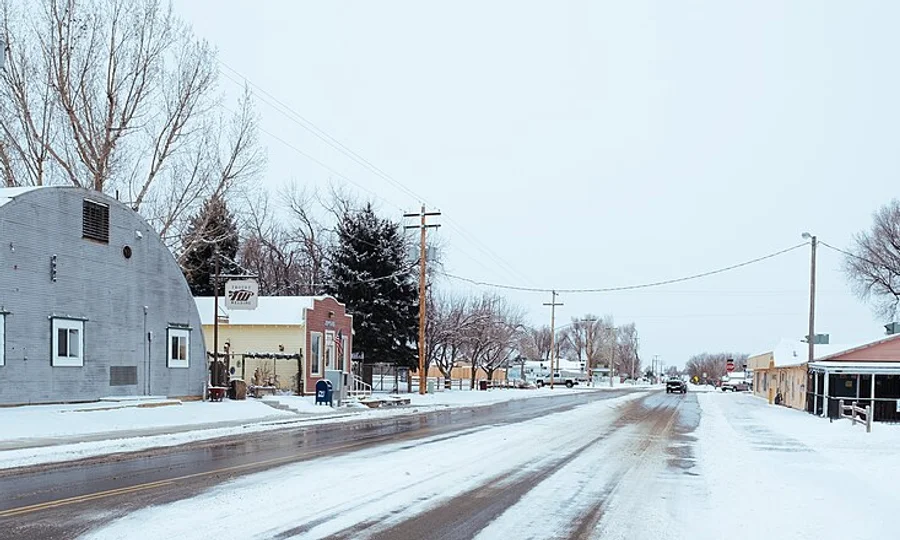
Severance is a small agricultural and sugar-beet railroad town becoming a large-scale residential suburb, with relatively moderate prices and unusually important subdivision-level utility differences.
Explore the guide →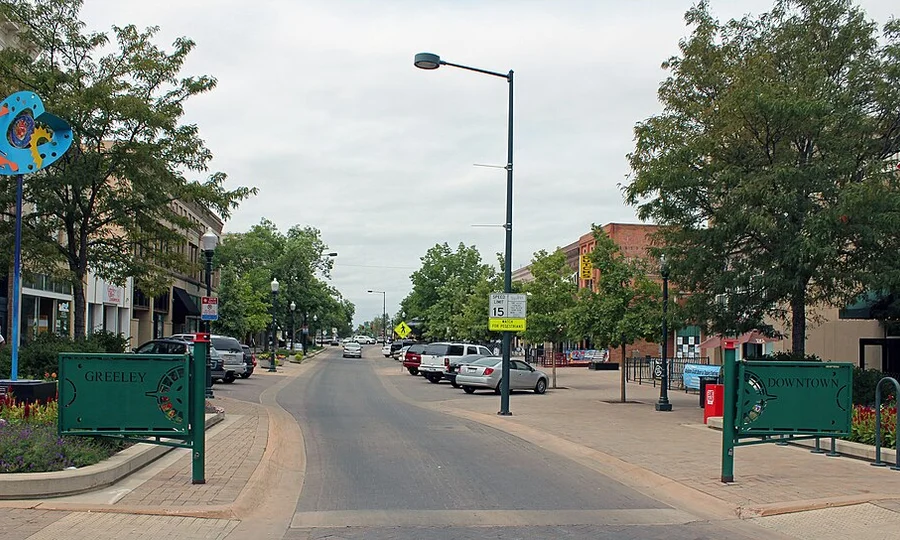
Greeley is an agricultural college city that grew outward in distinct layers, from its 1870 Union Colony grid and UNC neighborhoods through postwar suburbia to an increasingly newer and higher-priced west side.
Explore the guide →Regional group
1 community guide
How to compare
Two nearby addresses can fall under different cities, counties, tax districts, utilities, road responsibilities, fire districts, school boundaries, insurance conditions, and zoning rules.
Jurisdiction
Check the municipality or county, assessor record, zoning, tax and service districts, utilities, and permitting authority.
Property
Review housing type, age, condition, lot or site, shared obligations, insurance, immediate repairs, and longer-term maintenance.
Daily life
Try the route, transit, parking, trail access, services, noise, and other patterns at the time and day that matter to you.
Start with a conversation
Share the property, commute, timing, or ownership tradeoff you are working through.